
The allure of high-stakes poker
The game of high-stakes poker has long captivated players and spectators alike, drawing in individuals who seek not only the thrill of competition but also the potential for significant financial reward. The atmosphere at high-stakes tables is electric, filled with tension and excitement as players go head-to-head for substantial sums of money. It is this allure that makes high-stakes poker more than just a game; it transforms the experience into a high-pressure battle of wits, strategy, and psychology. Many enthusiasts enjoy playing in a variety of settings, including online platforms where you can find a range of options like casino online nz to test your skills.
For many, the stakes represent more than mere currency; they symbolize status, prestige, and personal achievement. Winning at high-stakes poker can elevate one’s standing in the poker community and beyond, creating a reputation that can open up new opportunities. The element of risk enhances the excitement, as players push their limits and test their skills against formidable opponents. In a game where million-dollar pots are not uncommon, the pressure to perform can be exhilarating, leading to unforgettable moments that players cherish for years. The thrill of competing at such high levels can be addictive, propelling players to keep coming back for more.
High-stakes poker also attracts a diverse range of players, from seasoned professionals to ambitious amateurs willing to gamble large sums to earn respect. The dynamic nature of these games transforms every hand into a microcosm of risk versus reward, where decisions can lead to either substantial gains or devastating losses. This cocktail of thrill, risk, and competition is what keeps players returning to the felt, eagerly anticipating their next chance to make a mark. The blend of personalities at the table further enriches the experience, creating an atmosphere charged with intensity and unpredictability.
The psychology of risk in poker
The psychology behind high-stakes poker is a fascinating aspect that significantly influences players’ decisions. Each player brings their unique mental approach to the game, which can include strategies derived from previous experiences, knowledge of opponents, and emotional resilience during high-pressure moments. Understanding the psychological components of risk can lead to better decision-making and, ultimately, more favorable outcomes at the table. The mental game is as critical as the actual gameplay, often determining the success or failure of a player at high-stakes tables.
Risk-taking behavior in poker can often be analyzed through the lens of behavioral economics, where factors such as loss aversion and overconfidence come into play. Players frequently encounter situations that force them to weigh the potential for substantial gains against the very real possibility of losing their entire buy-in. This psychological tug-of-war can be intoxicating, as the stakes tend to amplify emotions and cloud judgment. In the heat of the moment, players may make decisions that, in hindsight, seem reckless, highlighting the importance of mental clarity and discipline.
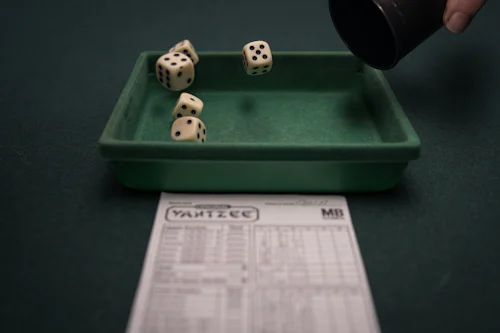
Moreover, the ability to read other players—understanding their tells and recognizing patterns of behavior—plays a crucial role in high-stakes poker. This requires not only keen observation but also an understanding of psychological tactics, such as bluffing and deception. Players must remain vigilant, constantly analyzing their opponents’ reactions and betting patterns to gain an edge. Those who can master the psychological edges often find themselves at the top of the leaderboard, reaping rewards while others falter under pressure. The interplay between psychology and strategy is a captivating aspect of high-stakes poker that adds to its allure.
The rewards and risks of high-stakes play
Engaging in high-stakes poker offers players the tantalizing possibility of significant monetary rewards. The allure of turning a modest investment into a life-changing sum is what draws many individuals to the game. Yet, with the potential for great gains comes the inherent risk of substantial losses. Understanding this balance is essential for anyone considering diving into the world of high-stakes poker. The thrill of winning can be a powerful motivator, but it is essential to remain grounded and aware of the risks involved.
The thrill of winning a large pot can lead to euphoric moments that are often celebrated among peers, cementing a player’s status within the poker world. However, the equally harsh reality is that losses can be devastating, both financially and emotionally. For some, the risk of losing large sums can lead to addiction, stress, and strained relationships. It’s crucial for aspiring high-stakes players to approach the game with a clear understanding of their limits and a well-defined strategy for managing the risks involved. Players must set boundaries to ensure that the game remains enjoyable and doesn’t spiral into negative consequences.
Additionally, the environment in which high-stakes poker is played can also amplify both the rewards and the risks. Whether in an upscale casino or a private setting, the atmosphere can influence players’ emotions and decisions. The presence of spectators and the prestige of high-stakes events can create an intoxicating sense of urgency, leading to impulsive decisions that may not align with a player’s overall strategy. Therefore, weighing the benefits against the potential pitfalls is critical for anyone considering high-stakes play. The ability to remain composed and focused amidst the excitement can be a determining factor in achieving success.
Strategies for success
Success in high-stakes poker often hinges on a combination of skill, discipline, and strategic planning. Experienced players emphasize the importance of developing a solid understanding of the game’s mechanics, including hand rankings, betting structures, and advanced strategies. Mastering these fundamentals allows players to navigate the complexities of high-stakes games with confidence, making informed decisions at critical moments. Additionally, continuous learning and adaptation are vital, as the game is constantly evolving with new strategies and techniques emerging.

Moreover, it is essential to cultivate a strong sense of emotional control while playing. High-stakes poker can evoke a range of emotions, from elation to despair, especially when the stakes are high. Players must learn to manage their feelings, avoiding tilt, which can lead to poor decisions. Techniques such as mindfulness and self-reflection can help maintain composure, allowing players to focus on the game rather than being swayed by emotional reactions. Recognizing one’s emotional triggers is key to maintaining a level-headed approach during intense gameplay.
Additionally, analyzing opponents and adapting strategies in real-time is crucial. The ability to adjust one’s play style based on observed behaviors and tendencies can create advantageous situations. Successful high-stakes players often study their opponents meticulously, identifying weaknesses to exploit while guarding against their own vulnerabilities. This iterative process of learning and adapting is what distinguishes the great players from the average ones in the high-stakes realm. The combination of strategic foresight and psychological insight can empower players to make calculated moves that lead to success.
Your source for poker insights
For those enthralled by the world of high-stakes poker, staying informed and equipped with the latest strategies and insights can significantly enhance one’s playing experience. Various platforms and websites cater to poker enthusiasts, offering resources such as tutorials, expert advice, and forums where players can exchange strategies. Engaging with these resources can be invaluable for anyone looking to improve their game and understanding of high-stakes scenarios. From articles that delve into advanced strategies to videos demonstrating expert techniques, the wealth of information available is extensive.
In addition to practical resources, engaging with a community of poker players can provide support and motivation. Connecting with like-minded individuals allows players to share experiences, discuss strategies, and learn from one another in a collaborative environment. This sense of community can foster improvement and increase one’s confidence when approaching high-stakes situations. Participating in online forums or local poker clubs can create a network of support that enhances one’s poker journey.
Ultimately, whether you’re a seasoned professional or a novice player contemplating your first high-stakes game, understanding the thrill and risks associated with the experience is vital. With the right knowledge, strategies, and mindset, players can navigate the exhilarating world of high-stakes poker while mitigating risks, making it a rewarding endeavor for those who dare to take the plunge. Embrace the challenge, develop your skills, and enjoy the journey through the fascinating landscape of high-stakes poker.